
Table of Contents
ToggleTenant rights define the legal protections that renters have when leasing a home or apartment. These rights exist to ensure fair treatment, safe living conditions, and privacy. Every renter should understand what tenant rights cover, and what happens when landlords violate them.
Whether someone rents a studio apartment or a single-family home, federal, state, and local laws protect them from unfair practices. This guide explains what tenant rights are, the key protections renters receive, common violations, and how tenants can defend themselves.
Key Takeaways
- Tenant rights are legal protections that guarantee renters habitability, privacy, and freedom from discrimination.
- Landlords must maintain safe, livable conditions and cannot enter rental units without proper notice except in emergencies.
- The Fair Housing Act prohibits discrimination based on race, religion, national origin, sex, familial status, disability, and other protected characteristics.
- Illegal evictions—such as lockouts or utility shutoffs without court orders—are prohibited in all 50 states.
- Tenants should document everything, communicate in writing, and keep records of the rental unit’s condition to protect their rights.
- Renters facing violations can file complaints with local housing authorities, HUD, or seek free legal aid for assistance.
Understanding Tenant Rights
Tenant rights are the legal protections that apply to anyone who rents property. These rights come from federal laws, state statutes, and local ordinances. They also stem from the lease agreement signed between the landlord and tenant.
At their core, tenant rights guarantee three things: habitability, privacy, and non-discrimination.
Habitability means the rental unit must be safe and livable. Landlords must provide working plumbing, heating, electricity, and structural safety. They must also address pest infestations and mold.
Privacy protects tenants from unannounced visits. Most states require landlords to give 24 to 48 hours’ notice before entering a rental unit, except in emergencies.
Non-discrimination comes from the Fair Housing Act. This federal law prohibits landlords from refusing to rent based on race, color, religion, national origin, sex, familial status, or disability. Some states add protections for sexual orientation, gender identity, and source of income.
Tenant rights also cover security deposits, lease terms, and eviction procedures. Each state sets its own rules, so renters should check local laws. But the basic protections remain consistent across the country.
Key Legal Protections for Renters
Federal and state laws provide specific protections that every renter should know. These tenant rights form the foundation of the landlord-tenant relationship.
Right to a Habitable Home
Landlords must maintain rental properties in livable condition. This includes working locks, safe electrical systems, clean water, and proper waste disposal. If a landlord fails to make necessary repairs, tenants may have legal remedies, including rent withholding or lease termination in some states.
Right to Security Deposit Protections
Most states limit how much landlords can charge for security deposits. They also require landlords to return deposits within a set timeframe after move-out, typically 14 to 30 days. Landlords must provide itemized deductions if they withhold any portion.
Right to Fair Eviction Procedures
Landlords cannot evict tenants without proper legal process. They must provide written notice and, in most cases, give tenants time to fix lease violations. Self-help evictions, like changing locks or shutting off utilities, are illegal in every state.
Right to Non-Retaliation
Tenants have the right to report code violations, request repairs, or join tenant organizations without fear of retaliation. If a landlord raises rent, decreases services, or threatens eviction after a tenant exercises their rights, the tenant may have a retaliation claim.
Right to Reasonable Accommodations
Under the Fair Housing Act and the Americans with Disabilities Act, tenants with disabilities can request reasonable accommodations. This might include allowing a service animal in a no-pet building or installing grab bars in the bathroom.
Common Tenant Rights Violations
Even though legal protections, tenant rights violations happen frequently. Recognizing these violations helps renters take action.
Illegal Entry
Some landlords enter rental units without notice or permission. Unless there’s an emergency, this violates tenant rights. Renters should document unauthorized entries and send written complaints.
Failure to Make Repairs
When landlords ignore repair requests for essential systems, like heating, plumbing, or electrical, they violate habitability standards. Tenants can report these issues to local housing authorities.
Wrongful Security Deposit Withholding
Landlords sometimes keep security deposits without valid reasons or fail to provide itemized lists of deductions. Many states allow tenants to sue for double or triple the deposit amount if landlords act in bad faith.
Illegal Evictions
Lockouts, utility shutoffs, and property removal without court orders are illegal in all 50 states. Tenants facing these tactics should contact local legal aid immediately.
Discrimination
Refusing to rent, setting different terms, or harassing tenants based on protected characteristics violates the Fair Housing Act. Tenants can file complaints with the U.S. Department of Housing and Urban Development (HUD).
Retaliation
If a landlord raises rent or issues an eviction notice shortly after a tenant files a complaint, it may constitute illegal retaliation. Documentation and timing are critical in these cases.
How to Protect Your Rights as a Tenant
Tenants can take several steps to protect their rights before and during a lease.
Read the Lease Carefully
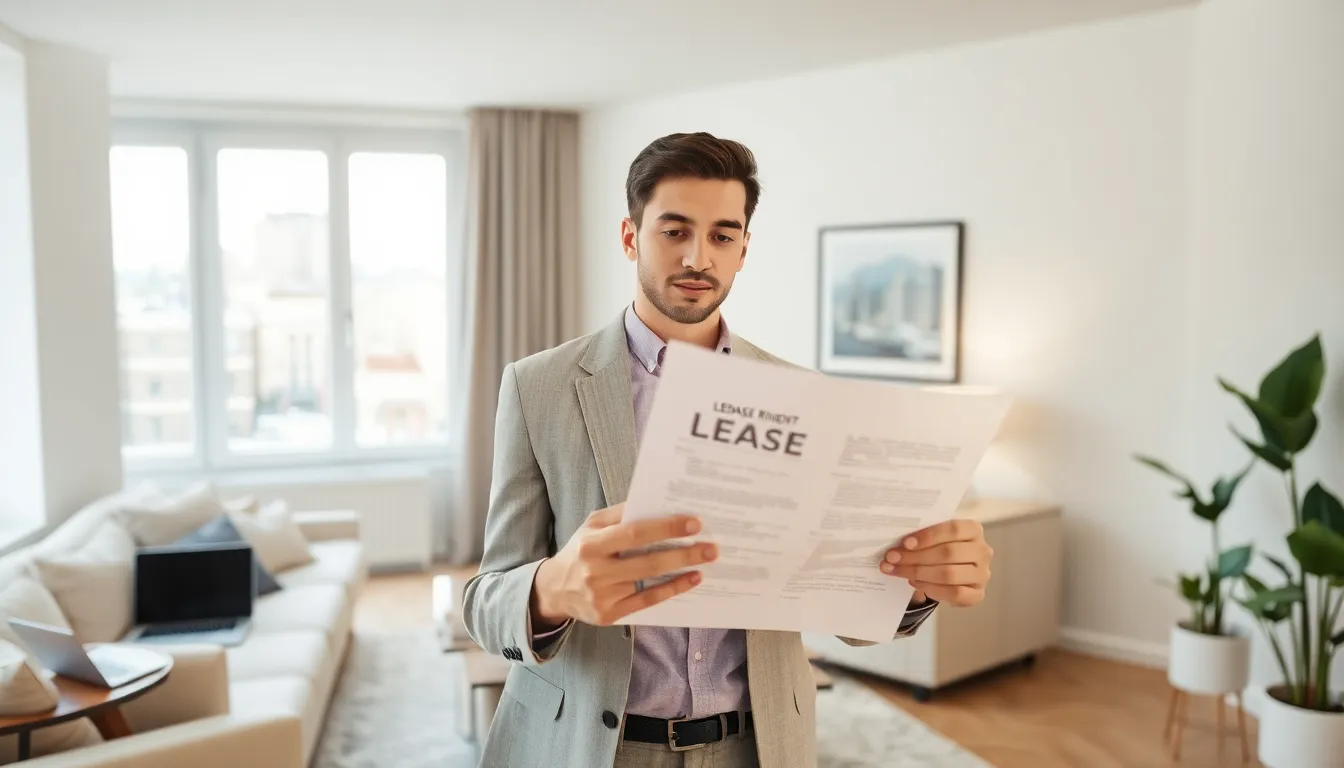
The lease defines the terms of the rental agreement. Tenants should read every clause before signing. They should pay attention to rent amounts, late fees, maintenance responsibilities, and early termination rules.
Document Everything
Photos, emails, and written records create evidence if disputes arise. Tenants should photograph the unit’s condition at move-in and move-out. They should also keep copies of all communication with landlords.
Know Local Laws
Tenant rights vary by state and city. Some cities have rent control ordinances, while others have additional protections for renters. Tenants can check their state attorney general’s website or local tenant unions for information.
Communicate in Writing
Verbal agreements are hard to prove. Tenants should send repair requests, complaints, and important notices via email or certified mail. Written records help in legal proceedings.
Seek Legal Help When Needed
Many areas have free or low-cost legal aid for renters. Tenants facing eviction, discrimination, or serious lease violations should consult an attorney. Local bar associations often provide referrals.
File Complaints
Tenants can report landlord violations to local housing authorities, HUD, or state consumer protection agencies. These agencies investigate complaints and can impose penalties on landlords.