
Table of Contents
ToggleLiving in Annapolis comes with unique cleaning challenges. The proximity to the Chesapeake Bay means humidity levels spike seasonally, salt air corrodes surfaces faster than inland climates, and the humid summers create breeding grounds for mold and mildew. Whether you’re managing a waterfront property, a historic Colonial home on Prince George Street, or a suburban residence in the surrounding neighborhoods, understanding how local climate and geography affect your cleaning routine makes all the difference. This guide walks you through professional cleaning services, DIY strategies tailored to Annapolis conditions, and maintenance schedules that actually work for homes in this region.
Key Takeaways
- House cleaning in Annapolis requires understanding region-specific challenges like salt-air corrosion, high humidity (exceeding 70% seasonally), and mold growth that demand specialized cleaning strategies beyond standard routines.
- Professional house cleaning in Annapolis provides preventive maintenance through salt-resistant treatments, moisture-control protocols, and access to commercial-grade products that protect your home’s structural integrity and resale value.
- DIY Annapolis cleaning should prioritize frequent light touch-ups over monthly deep scrubs, focus on entryways and bathrooms where salt and moisture accumulate fastest, and keep indoor humidity between 30–50% using dehumidifiers.
- When hiring house cleaning services in Annapolis, verify 4.5+ star ratings with 30+ reviews mentioning salt-air or mold expertise, confirm liability insurance and bonding, and ask about experience with historic homes and seasonal maintenance protocols.
- Salt deposits on windows and exterior surfaces can be managed with a 50/50 white vinegar and water solution, while mold prevention through proper ventilation and humidity control beats costly mold remediation.
- A seasonal cleaning checklist (spring deep-cleans, summer moisture prevention, fall salt-spray removal, winter indoor air quality focus) combined with entry mats and microfiber cloth dusting keeps Annapolis homes protected year-round.
Why Professional Cleaning Matters for Annapolis Homeowners
Annapolis homeowners face maintenance pressures that a generic cleaning routine won’t address. Salt-air corrosion affects window frames, exterior trim, and metal fixtures at a faster rate than inland homes experience. Humidity levels regularly exceed 70% from late spring through early fall, which accelerates dust mite populations and creates ideal conditions for mold growth in bathrooms, basements, and crawl spaces.
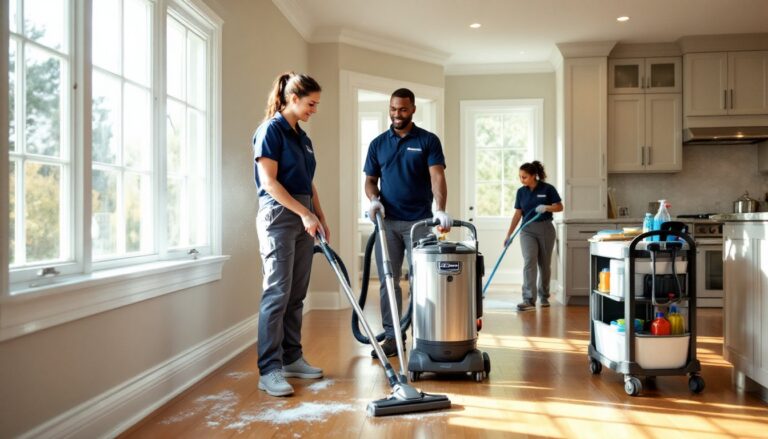
Professional cleaning services understand these regional challenges. They use moisture-control protocols during humid months, apply salt-resistant treatments to exterior surfaces, and employ equipment designed to handle mold prevention in ways standard household cleaners can’t. A professional team also has access to commercial-grade products and can tackle deep cleaning tasks, like sanitizing HVAC ductwork or pressure-washing vinyl siding, that protect your home’s structural integrity and resale value.
Hiring a professional isn’t just about convenience: it’s preventive maintenance. Regular professional cleaning reduces the likelihood of costly damage from salt corrosion, mold remediation, or deep-set stains that become permanent if left untreated. For homeowners managing multiple properties, working long hours, or dealing with health concerns (allergies, asthma), professional service becomes even more justified.
DIY Cleaning Strategies for Annapolis Homes
If you’re tackling cleaning yourself, focus on frequency over intensity. Annapolis humidity means dust settles faster and mold spores find purchase more quickly, so a light weekly touch-up beats a once-monthly deep scrub. Start with the high-traffic areas: entryways (where salt-laden footsteps leave residue), bathrooms (moisture hotspots), and kitchen surfaces (where salt spray from bay breezes settles on exterior windows).
Invest in a good dehumidifier, especially for bedrooms, basements, and bathrooms. Keep indoor humidity between 30–50% year-round: above 60%, mold begins growing. Use microfiber cloths instead of cotton, they trap salt particles and fine dust more effectively and require fewer cleaning passes. For exterior surfaces, a soft-bristle brush and mild detergent work better than harsh scrubbing, which can damage painted finishes on historic homes or siding.
Tackling Humidity and Salt-Air Challenges
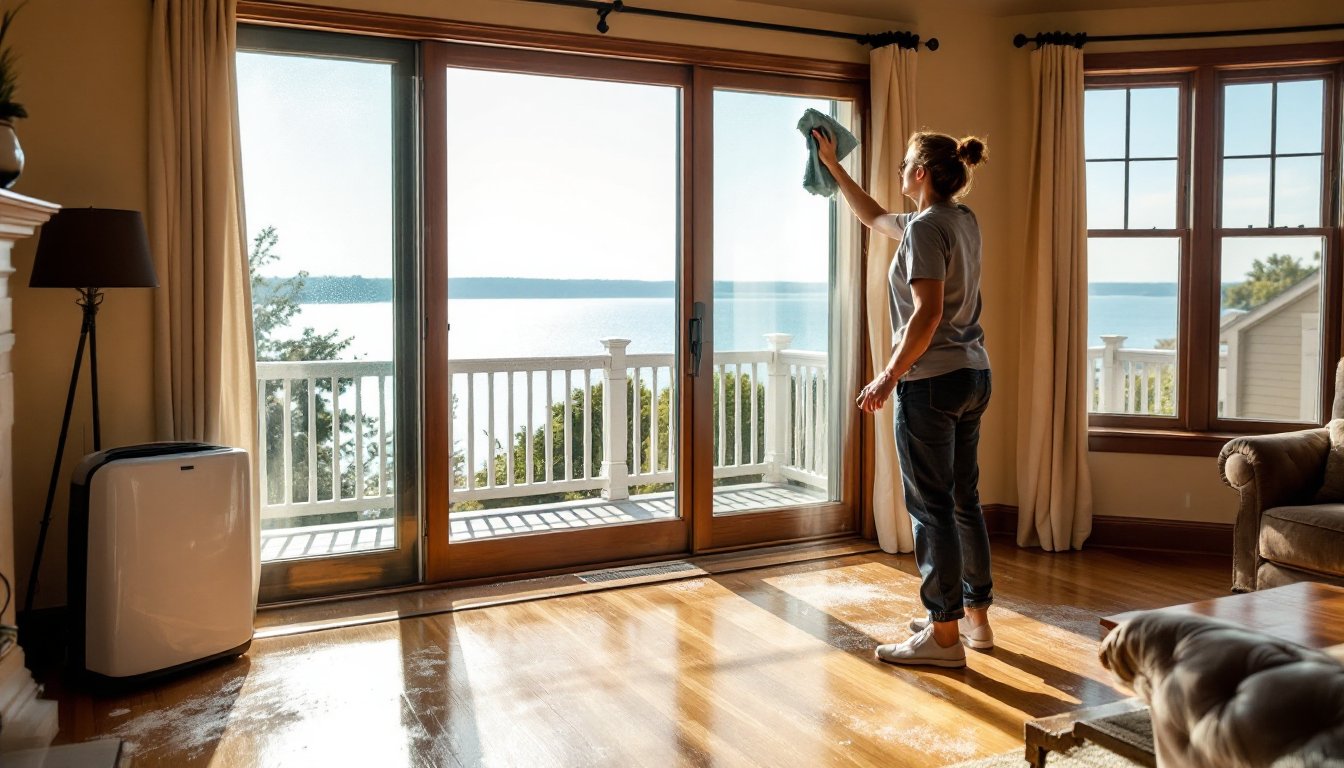
Salt air deposits an invisible film on windows, outdoor furniture, and siding. Every few weeks, rinse these surfaces with fresh water before using any cleaner. For window cleaning, a 50/50 white vinegar and water solution cuts through salt buildup without etching glass, vinegar’s acidity breaks down mineral deposits that hard water and salt leave behind. On exterior trim and painted surfaces, avoid bleach-heavy products: they can strip finishes, especially on older homes. Instead, use oxygen-based cleaners (like OxiClean) diluted per label instructions.
Inside the home, humidity control is your main weapon. Wipe down bathroom mirrors and tile after showers: run exhaust fans during and 20 minutes after bathing. Open windows on dry days to cycle air. In basements or crawl spaces, use a sump pump or dehumidifier to keep moisture at bay. Mold prevention beats mold removal, bleach-based mold cleaners work temporarily, but fixing the moisture source prevents regrowth. If you spot mold, especially in large patches or on porous materials like drywall, call a professional: airborne spores from aggressive cleaning can trigger respiratory issues.
Finding the Right Cleaning Service in Annapolis
Annapolis has no shortage of cleaning services, but not all understand the specific demands of the region. Start by checking top-rated house cleaners in Annapolis through verified review platforms. Look for companies with 4.5+ stars, at least 30 reviews, and comments specifically mentioning salt-air issues, mold prevention, or historic home care if that applies to you.
Don’t just pick the cheapest option. A $150 cleaning by someone unfamiliar with salt-air challenges costs more in the long run if surfaces deteriorate. Ask whether the service carries liability insurance and bonding, non-negotiable for anyone accessing your home. Confirm they use eco-friendly or low-toxicity products if you have pets, children, or respiratory sensitivities: the humid Annapolis climate traps indoor air pollutants longer than drier regions.
Many services offer green cleaning options using vinegar, baking soda, and plant-based soaps. These work well for routine cleaning but may fall short on heavy mold or salt deposits. A hybrid approach, green products for weekly maintenance, commercial-grade solutions for seasonal deep cleans, often balances cost and effectiveness.
Questions to Ask Before Hiring
Before signing a contract, ask these questions:
- Do you have experience with historic homes or waterfront properties? Annapolis has many older homes with delicate finishes that need careful handling.
- What’s your protocol for mold prevention in humid climates? Vague answers suggest they haven’t thought this through.
- Are you licensed and insured? Non-negotiable. Ask for proof.
- What happens if something gets damaged? Reputable companies have a damage claim process and insurance to back it up.
- Do you offer seasonal add-ons? Spring mold-prevention treatments and fall salt-spray cleanups protect year-round.
- Can you work around a schedule that makes sense? Some services offer weekly, bi-weekly, or monthly tiers: flexibility matters if your needs change.
- What’s your cancellation or adjustment policy? Life happens, make sure you’re not locked into a rigid contract.
Seasonal Cleaning Checklist for Annapolis Residents
Annapolis’s four distinct seasons demand adjusted cleaning priorities. Spring (March–May) is about waking up your home after winter stagnation. Summer (June–August) focuses on moisture and mold prevention. Fall (September–November) tackles salt-air buildup from summer. Winter (December–February) emphasizes indoor air quality and preventing condensation damage.
Spring: Deep-clean windows inside and out (salt deposits from winter are thick). Pressure-wash exterior siding if it’s rated for it: otherwise, use a soft-bristle brush. Check gutters and downspouts: clogged gutters trap moisture. Wash HVAC filters and have ducts inspected for mold spore accumulation over the winter.
Summer: Weekly bathroom and kitchen wipe-downs prevent mold colonization. Run dehumidifiers continuously in basements and crawl spaces. Inspect caulking around windows and doors: re-caulk with marine-grade sealant if gaps appear (salty air infiltrates easily). Wipe salt spray off exterior trim biweekly.
Fall: Clean gutters again before winter moisture settles in. Wash windows one final time before heating season starts. Test and maintain sump pumps and dehumidifiers. Inspect basement for moisture intrusion: address leaks immediately.
Winter: Focus on indoor humidity. Keep bathrooms well-ventilated. Inspect basement or crawl space for condensation buildup. Avoid excessive indoor steam without offsetting ventilation (cooking, showers, and laundry add moisture). Clean supply and return air vents regularly so heating doesn’t push dust and spores throughout the house.
For renters or owners of historic properties, coordinate seasonal cleaning with property managers or preservation guidelines: some historic homes restrict pressure-washing or chemical treatments.
Maintaining a Clean Home Between Professional Services
Professional cleaning every two weeks or monthly sets a baseline, but your daily habits determine whether your home stays clean or quickly regresses. Adopt a “leave no surface untouched” mindset: wipe kitchen counters after cooking, hang wet towels immediately after use, and empty bathroom trash regularly to avoid odor and mold spore accumulation.
Invest in good entry mats. Salt-laden footsteps are the biggest culprit in Annapolis homes. Place durable outdoor mats at every exterior door and have a second mat inside the threshold where people remove shoes. This single habit cuts salt and debris spreading through the house by 60%. Keep a handheld vacuum in high-traffic areas for quick spot cleaning.
For dusting, microfiber cloths and electrostatic dusters beat feather dusters. Feather dusters launch dust into the air, where it settles later. Microfiber cloths trap particles electrostatically and hold them until you wash the cloth. Dust weekly in bedrooms and living areas, twice weekly in kitchens. Use professional cleaning tips from Good Housekeeping for tested product recommendations and strategies tailored to different home types.
Bathroomsmold prevention starts immediately after showers. Squeegee shower walls and doors, wipe down the vanity, and ensure exhaust fans run for at least 20 minutes. Empty trash bins at least twice weekly. Laundry areas also trap moisture, keep them well-ventilated and don’t leave damp clothes in hampers overnight.
For air quality, maintain HVAC filters on a monthly schedule during humid months (change them every 30 days, not 90). Whole-home air purifiers with HEPA filters help in Annapolis’s salt-laden air. Finally, use The Spruce’s home maintenance guides for seasonal care checklists that align with Annapolis’s climate patterns and regional building standards.